Skip to content

Not sure which lock you have?

Pick a lock by photo

Upload a photo — we'll take a look and email you matching options with an estimated price.

How to measure a cylinder, lock body and handle
1

Upload a photo

Photograph the lock from the front and, if possible, the side.

2

Add your contact details

We only need an email address to get back to you.

3

Get our reply

We'll review the photo and reply, usually within one business day.

1. Upload a photo of your lock

2. We reply by email

The photos that help most

One good photo is often enough. If you can, take these three — then we can match the lock without a visit.

0 10 cm backset

Door edge with the lock

Photograph the whole faceplate on the edge of the door. A ruler or tape next to it shows the plate length and the backset.

A / B mm

Cylinder from the front

The keyhole and cylinder shape straight on. If possible, the cylinder length on both sides of the door.

ABLOY CY001 · 4A

Key next to the lock

Lay the key beside the lock. Its shape and markings help identify the maker and series.

How to measure: cylinder, lock body, handle and more

We can usually recognise a lock from a photo, but exact measurements rule out mistakes. Pick your part: the drawing has letters, and the list says where each measurement is taken. Measure in millimetres, ideally with a caliper; a ruler works too.

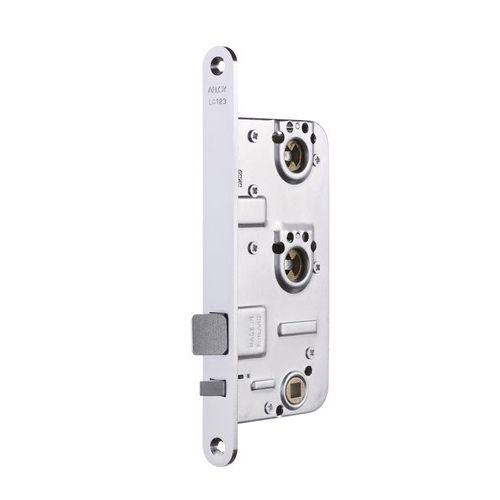
Quickest hint: the faceplate on the door edge often carries the maker and model (for example ABLOY LC123). Photograph it — sometimes one measurement is then enough.

outsideinsidefixing screwABL

Euro profile cylinder (PZ)

A cylinder with a pear-shaped cross-section, held by one screw through the faceplate. Its length is given as two numbers, outside / inside, for example 30/40.

How to take the cylinder out

  1. 1 Open the door and remove the screw in the faceplate on the door edge, level with the cylinder.
  2. 2 Insert the key and turn it slightly (about 10–15°) until the cam lines up with the cylinder body.
  3. 3 Pull the cylinder out by the key.
A
Outside. From the centre of the fixing screw hole to the outer end of the cylinder.
B
Inside. From the centre of the fixing screw hole to the inner end of the cylinder.
L
Total length. A + B. As a check: if the sum does not match, measure A and B again.
Type. Key on both sides, key + thumbturn, or half cylinder. Note which side the thumbturn is on.

Tip: If the cylinder will not come out: measure from the screw centre to the outer face of the door and add how far the cylinder now sticks out of the door or rose. A new cylinder should not stick out of the rose by more than about 3 mm — a protruding cylinder is easier to snap.
KoutsideinsidePT

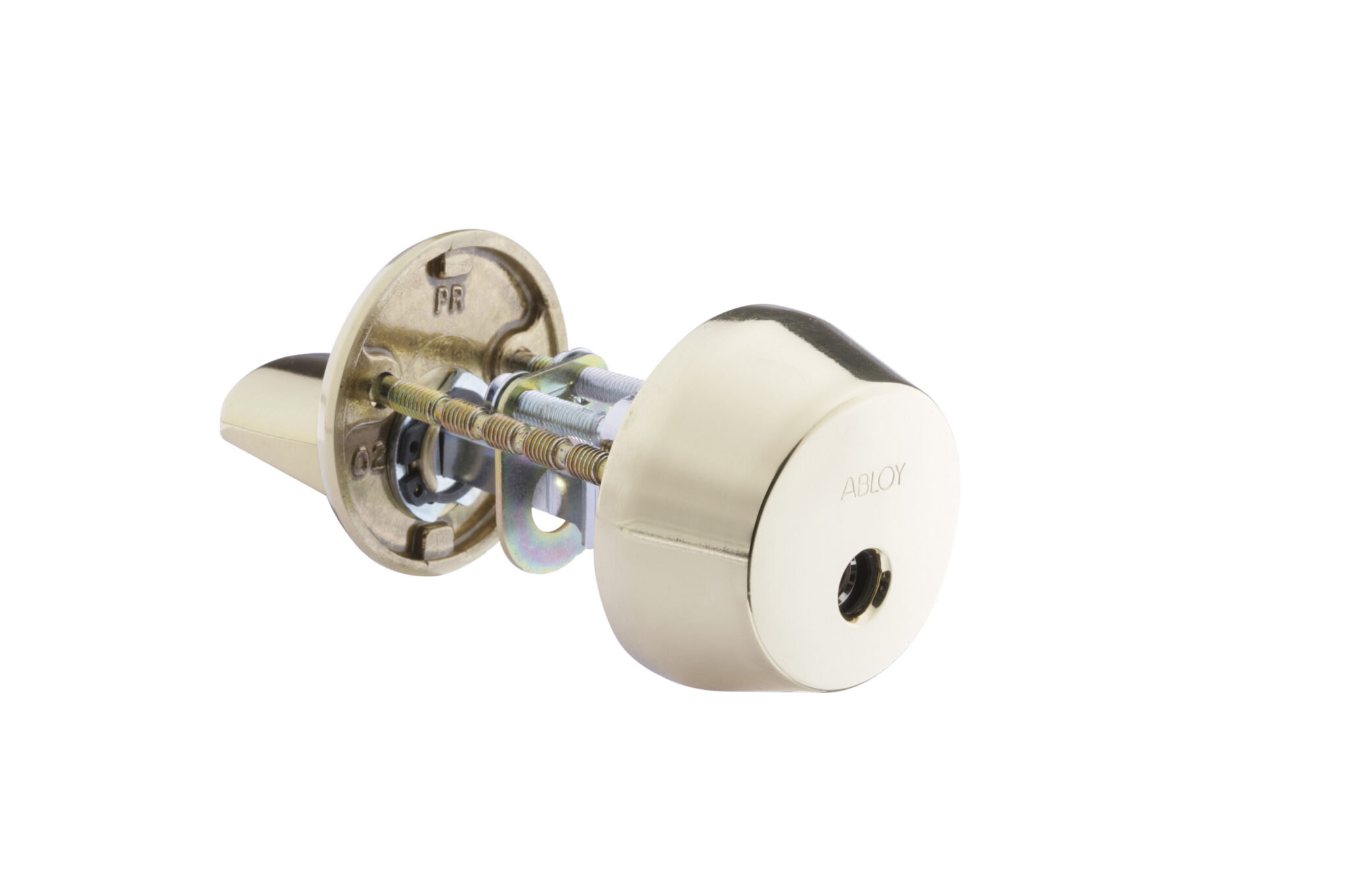
Scandinavian oval cylinder (ABLOY and others)

A cylinder with an oval face, common in Estonia with Scandinavian lock bodies. Outside it sits in an escutcheon; inside there is usually a thumbturn.

T
Door thickness. Measure the door at the lock, including the plates around the cylinder.
P
Protrusion. How far the cylinder with its escutcheon sticks out of the outer door face.
K
Key. Photograph the key on both sides: its shape and markings show the cylinder series (for example Classic, Sentry, Protec2).
Inside. Photograph the inside too: thumbturn, second cylinder or blank cover.

Tip: A thicker door usually takes an extension ring, so the door thickness matters more than the cylinder’s own length. Keep the key code card number out of photos — to order a cylinder for the same key, bring the card to the workshop.

DCHSdoor edge

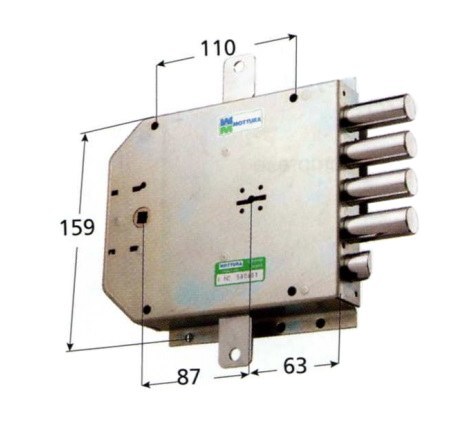
Lock body (mortise lock)

The lock body sits inside the door; only the faceplate shows on the edge. Whether a new one fits depends mainly on two distances and the faceplate size.

D
Backset. From the front face of the faceplate to the centre of the cylinder or handle spindle. Common values are 35, 50, 55, 60 and 65 mm.
C
Centre distance (PZ). From the handle spindle centre to the cylinder hole centre. Usually 72 or 92 mm on euro cylinder locks; on Scandinavian locks it depends on the model.
H
Faceplate length. Full length of the faceplate, top to bottom. Add its width and whether the corners are rounded or square.
S
Spindle hole. Side of the square hole, measured with a caliper, for example 8 or 9 mm.
Handing. Look at the door from outside: are the hinges on the left or the right? Many lock bodies are reversible, some are left- or right-handed only.

Tip: Before measuring, take a close-up of the faceplate: the model is often stamped on it, for example ABLOY LC123. If it is readable, we check the dimensions ourselves.

CLoutsideinsideT

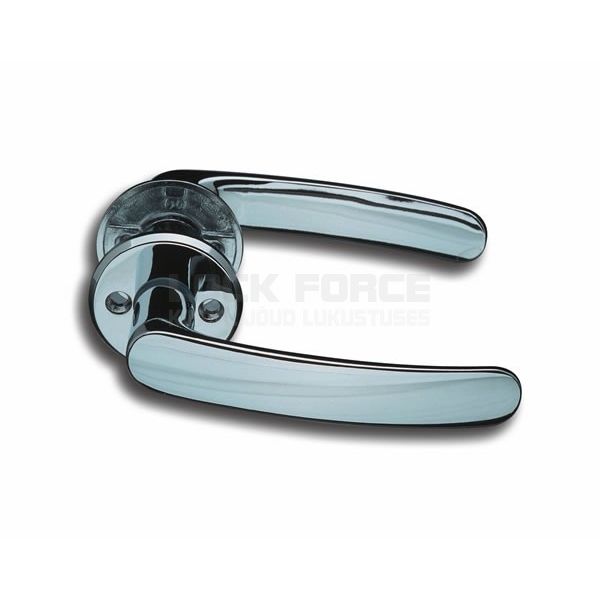
Door handle and roses

For a handle, the door thickness, spindle size and whether it sits on a long plate or on separate roses all matter.

C
Hole centre distance. On a long-plate handle, from the spindle centre to the cylinder hole centre. It must match the lock body (often 72 or 92 mm).
L
Plate size. Plate length and width — the new plate should cover the old screw holes and paint marks.
T
Door thickness. Measure at the lock. Handle sets are made for a set thickness range, for example ABLOY Polar for 40–60 mm doors.
Type. Lever on both sides, knob or pull handle outside, and whether a cylinder cut-out or WC turn is needed.

Tip: Photograph the old handle with its plate and the screw holes around it: if the new fixing points match, the door does not need drilling again.

hingesWMkg

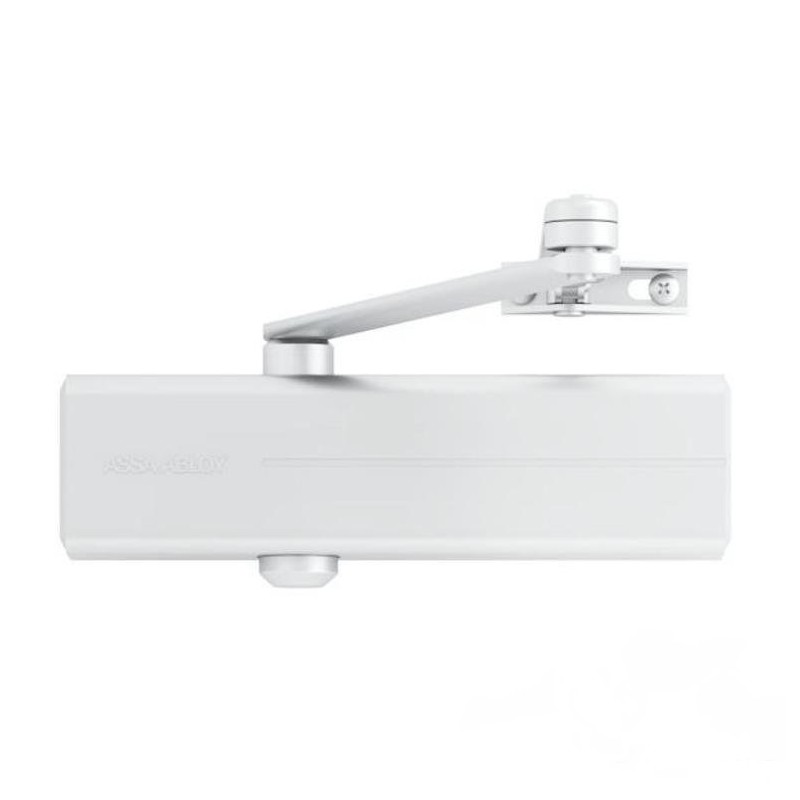
Door closer

A closer is sized by door width and weight, in the EN 1154 classes EN 1 to EN 7.

W
Door width. Width of the door leaf in millimetres, without the frame.
M
Door weight. An estimate is enough. If you do not know, write the material: wood, metal, glass, solid timber.
Mounting side. Is the closer (to be) on the hinge side, where the door is pulled towards you, or on the opposite side? Photograph both sides.
Old closer fixings. When replacing, measure the spacing of the fixing screws on the body and on the arm shoe — then the old holes can be reused.
ClassDoor widthDoor weight
EN 1 up to 750 mm up to 20 kg
EN 2 up to 850 mm up to 40 kg
EN 3 up to 950 mm up to 60 kg
EN 4 up to 1100 mm up to 80 kg
EN 5 up to 1250 mm up to 100 kg
EN 6 up to 1400 mm up to 120 kg
EN 7 up to 1600 mm up to 160 kg

Tip: A windy exterior door and a fire door usually get one class higher. On a fire door the closer must be certified for that use.

dhwB

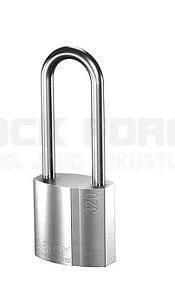
Padlock

A padlock has to fit through the hasp or bolt hole and leave enough room under the shackle.

d
Shackle diameter. Thickness of the shackle. The hasp hole must be larger.
h
Shackle clearance. From the top of the body to the highest inside point of the shackle — this is how thick whatever goes under the shackle can be.
w
Inside width. Distance between the shackle legs, measured inside.
B
Body width. Matters when the lock must fit a narrow spot or a shroud.

Tip: If the new padlock should open with the same key as your existing locks, photograph the key too.

Good photo

  • Sharp, in daylight
  • The whole faceplate in frame
  • Markings and numbers readable

Poor photo

  • Blurred or dark
  • Too close, part of the lock missing
  • Flash glare hides the markings

What we identify from a photo

Examples of real products customers found from a photo. Click to open the product.

FAQ Write